


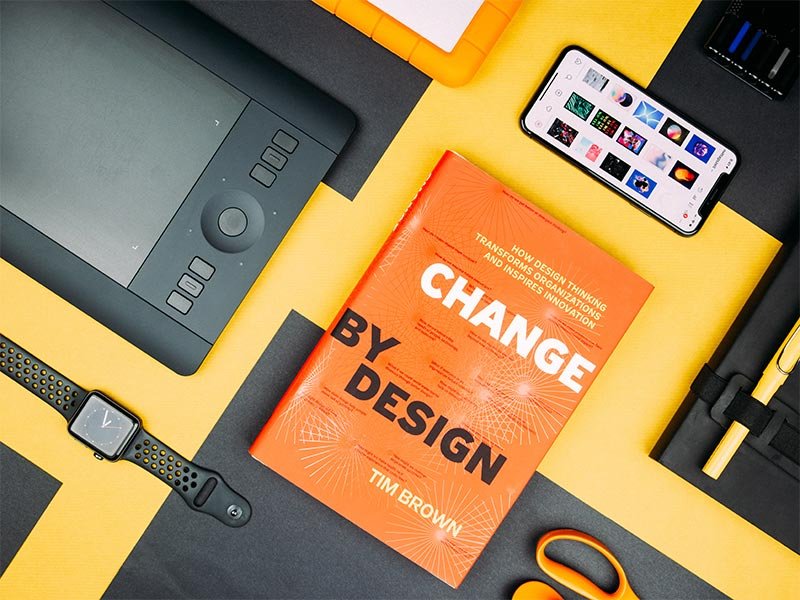
The digital world is evolving faster than ever, and user expectations are changing with it. In 2027, businesses will need more than visually attractive websites and applications—they will need digital experiences that are intelligent, accessible, personalized, and effortless to use.
UI/UX design will continue to play a critical role in how customers interact with brands. From AI-powered personalization to immersive interfaces, emerging trends are changing the way designers approach digital products.
Here are 7 UI/UX design trends expected to shape digital experiences in 2027.
1. AI-Powered Personalized Experiences
Artificial intelligence is becoming an important part of modern UX design. In 2027, websites and applications will increasingly adapt their interfaces based on individual user behavior, preferences, and needs.
Instead of presenting the same experience to every visitor, AI can help create personalized content, recommendations, navigation, and interactions.
For example, an ecommerce website could understand a customer’s browsing behavior and dynamically highlight products that are most relevant to them.
Why it matters: Personalization can make digital experiences more relevant, convenient, and engaging.
2. Conversational and AI-Driven Interfaces
Traditional menus and search boxes are no longer the only ways users interact with digital products. AI assistants and conversational interfaces are becoming increasingly common.
In 2027, users will expect to communicate with websites and applications using natural language rather than navigating through multiple screens.
A customer might simply ask:
“Find me a laptop under $1,000 suitable for graphic design.”
The interface can understand the request and provide relevant options immediately.
Why it matters: Conversational UX can reduce friction and help users accomplish tasks faster.
3. Minimalism With More Meaningful Interactions
Minimalist design will continue to evolve. Rather than simply removing visual elements, designers will focus on creating interfaces where every element serves a clear purpose.
Clean layouts, purposeful typography, intuitive navigation, and focused calls-to-action will help users understand information without feeling overwhelmed.
Micro-interactions will also become more meaningful. Small animations, transitions, and feedback elements can guide users and make interfaces feel more responsive.
Why it matters: A simple interface can improve usability while creating a polished and professional brand experience.
4. Immersive and Spatial Experiences
As augmented reality (AR), virtual reality (VR), and spatial computing continue to develop, designers will have more opportunities to create immersive digital experiences.
Users may interact with products, services, and information in three-dimensional environments rather than traditional two-dimensional screens.
For example, an online furniture store could allow customers to visualize how a sofa or table would look inside their home before making a purchase.
Why it matters: Immersive experiences can make complex products easier to understand and create stronger connections between users and brands.
5. Accessibility-First UX Design
Accessibility will become an even more important part of professional UI/UX design.
Designers will increasingly consider users with different abilities, devices, screen sizes, and interaction preferences from the beginning of the design process.
Accessible interfaces may include:
- Clear typography and readable content
- Strong color contrast
- Keyboard-friendly navigation
- Descriptive labels and alternative text
- Screen-reader compatibility
- Easy-to-understand interactions
- Flexible layouts across devices
Accessibility isn’t simply about meeting technical requirements. It is about creating better experiences for a wider audience.
Why it matters: Inclusive design helps businesses reach more users while creating easier-to-use digital products.
6. Motion Design That Guides Users
Animation will continue to become an important part of UX—but the focus will shift from decoration to communication.
Well-designed motion can explain changes, provide feedback, highlight important information, and help users understand how different elements relate to one another.
For example, a subtle transition after clicking a button can show that an action has been completed, while an animated progress indicator can make waiting periods feel more understandable.
Why it matters: Purposeful motion can make interfaces feel intuitive without distracting users.
7. Trust-Centered and Human UX
As AI becomes more deeply integrated into digital experiences, users will care increasingly about transparency, privacy, and control.
Designers will need to create interfaces that clearly communicate when AI is being used, what information is being collected, and how automated decisions are made.
Human-centered design will remain essential. Technology should support users rather than make interactions confusing or unnecessarily complicated.
Brands that prioritize transparency and user control will be better positioned to build long-term digital trust.
Why it matters: A beautiful interface means little if users do not trust the experience.
The Future of UI/UX Design
UI/UX design in 2027 will not simply be about following visual trends. The strongest digital experiences will combine technology, usability, accessibility, personalization, and human-centered thinking.
AI will make experiences smarter. Spatial technologies will make them more immersive. Accessibility will make them more inclusive. And thoughtful UX will keep everything focused on what users actually need.
For businesses, investing in professional UI/UX design is no longer just about having an attractive website or application. It is about creating digital experiences that build trust, improve engagement, and support measurable business growth.
Final Thoughts
The future of UI/UX design is moving toward experiences that are smarter, simpler, more inclusive, and more human.
Businesses that start preparing for these trends today can create digital products that are ready for tomorrow’s users.
Whether you are launching a new website, redesigning an existing platform, or developing a digital product, a strong UI/UX strategy can help transform your ideas into experiences that users remember.
Ready to create a future-ready digital experience? Let’s build something exceptional together.